


Recent Searches
Trending Searches

Search
Recent Searches
Trending Searches
MSB Digital Bank


Social


Vietnam Maritime Commercial Joint Stock Bank
54A Nguyen Chi Thanh St., Lang Ward, Hanoi, Vietnam

MSB Digital Bank
Social
Vietnam Maritime Commercial Joint Stock Bank
54A Nguyen Chi Thanh St., Lang Ward, Hanoi, Vietnam
What Is Green Credit? Concepts and Development Policies
22/12/2025What is green credit and why is it becoming an important trend in Vietnam’s financial sector? Green credit is a financial tool that enables businesses to invest in environmentally friendly projects while promoting sustainable economic development. Understanding the concept, characteristics, role and implementation trends of green credit can help enterprises make the most of green financing opportunities and contribute to the transition toward a greener and more sustainable economy. Below is an overview of green credit in Vietnam.
1. What Is Green Credit?
Green credit refers to financing provided by banks and financial institutions to support projects that generate positive environmental impacts. These loans aim to promote activities such as reducing greenhouse gas emissions, improving energy efficiency, developing clean energy, managing natural resources sustainably and enhancing environmental quality.
Similar to conventional loans, green credit requires borrowers to repay principal and interest in accordance with the credit agreement. However, the key difference lies in the environmental and sustainability criteria that projects must meet to qualify for financing—requirements that are not typically emphasized in traditional lending.
Green credit is therefore considered a financing solution that supports projects designed to protect the environment and promote sustainable development.
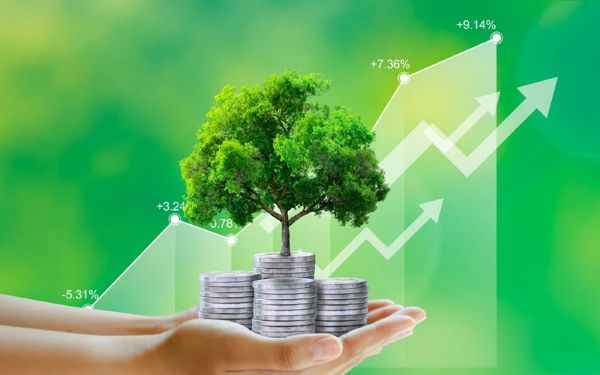
Tín dụng xanh là khoản vay hỗ trợ các dự án thân thiện môi trường
2. Key Characteristics of Green Credit
Green credit is increasingly viewed as an important financial solution for promoting sustainable growth and environmental protection. In banking practice, green credit often includes the following key characteristics:
Prioritizing environmentally friendly projects
Funding is allocated to activities that benefit ecosystems, such as reducing greenhouse gas emissions, promoting clean energy, conserving biodiversity and using natural resources efficiently.
Applying green criteria in project selection
Financial institutions assess projects based on factors such as environmental impact, ecological risks, sustainable resource use and compliance with relevant regulations.
Green certification for qualified projects
Some organizations provide certification for projects that meet environmental standards, enhancing transparency, strengthening investor confidence and attracting green investment.
Balancing economic, social and environmental goals
Green credit aims to finance projects that generate financial returns while also meeting environmental protection and social responsibility requirements.
Encouraging sustainable technologies and solutions
By supporting green initiatives, green credit helps promote innovation and encourages the adoption of technologies that contribute to a greener economy.
For businesses, projects seeking green credit must demonstrate transparency, feasibility, operational efficiency and experience in applying green technologies, while also ensuring clear market output. For individuals, the main requirements generally include stable financial capacity, a good credit history and no bad debt.
Tín dụng xanh ưu tiên hỗ trợ dự án thân thiện môi trường, minh bạch và bền vững
3. The Role of Green Credit in Sustainable Development
Understanding the concept of green credit highlights its important role in promoting environmentally responsible economic activities. Green credit not only contributes to environmental protection but also supports improvements in living standards and accelerates the transition to a green economy.
3.1 Environmental Impact and Quality of Life
Green credit plays a significant role in supporting projects aimed at environmental protection and climate change mitigation. Preferential financing enables businesses and organizations to invest in renewable energy, improve energy efficiency, reduce greenhouse gas emissions and protect water resources and biodiversity.
By encouraging solutions such as clean energy development and water resource protection, green credit helps reduce pollution, improve air quality, protect public health and foster sustainable economic growth.
In addition, green credit supports environmentally friendly housing, transportation and healthcare projects, helping improve living conditions and create safer, more sustainable communities.
3.2 Promoting International Cooperation
Green credit also contributes to strengthening international cooperation in addressing environmental challenges and climate change. Through this mechanism, countries and institutions can exchange knowledge, share capital and green technologies, and jointly implement global commitments toward sustainable development.
Tín dụng xanh không chỉ giúp bảo vệ môi trường mà còn cải thiện chất lượng cuộc sống
3.3 Supporting Vietnam’s Green Economic Transition
Green credit plays a crucial role in Vietnam’s transition toward a green economic model. By financing renewable energy projects, green infrastructure and clean production initiatives, banks can channel capital into key sectors that help reduce carbon emissions and improve resource efficiency.
Green financing also encourages businesses to innovate technologies and adopt sustainable production processes, thereby enhancing competitiveness and meeting ESG (Environmental – Social – Governance) standards.
4. Current Development of Green Credit in Vietnam
Amid growing global pressure related to climate change and sustainable development, green credit has become an increasingly important instrument within Vietnam’s banking sector. Green banking activities not only focus on financing environmentally friendly projects but also encourage businesses to adopt clean technologies and sustainable production models.
Green credit in Vietnam has shown steady growth in recent years. Outstanding green credit increased from approximately VND 680 trillion at the end of 2024 to around VND 742.8 trillion by the third quarter of 2025, accounting for roughly 4.3–4.4% of total outstanding credit in the economy. At the same time, environmental and social risk assessments based on ESG criteria have been increasingly applied in banking operations.
Despite these positive developments, several challenges remain. The regulatory framework for green banking and green credit is still evolving, and ESG implementation capacity at some financial institutions remains limited. Many banks have yet to establish dedicated ESG units, while project appraisal and monitoring processes for green loans are not yet fully standardized, creating difficulties in managing environmental and social risks.
Overall, green credit in Vietnam is transitioning from policy orientation to stronger practical implementation. Addressing existing challenges will help green credit become a more effective tool for sustainable growth and support businesses in moving toward a green economic model.
Vietnam’s green credit is not only growing rapidly but also driving the transition to a green economy, although regulatory frameworks and ESG implementation remain limited.
5. Emerging Green Lending Trends in Vietnam’s Banking Sector
Vietnamese banks are expanding their green credit products beyond renewable energy into multiple sectors to support sustainable development. Key trends include:
Diversification of green lending sectors
In addition to renewable energy, banks are financing projects in sustainable agriculture, green construction, green logistics, manufacturing and carbon reduction initiatives.
Preferential lending conditions
Green projects often benefit from lower interest rates, more flexible loan terms and higher credit limits to encourage investment in environmentally friendly initiatives.
Integration of ESG criteria in credit assessment
Banks increasingly evaluate project risks and performance using ESG criteria, helping ensure that financing flows toward responsible investments while improving transparency.
International cooperation and digital transformation
Many banks collaborate with international funds to mobilize green capital while applying digital technologies to monitor project progress and environmental compliance.
For example, MSB announced its Green Credit Policy in early 2024, establishing a list of green sectors covering nine major areas such as renewable energy, low-carbon transportation, sustainable agriculture, green buildings, manufacturing, waste management and green transition.
To verify a green loan, MSB applies a two-step evaluation process: the business unit initially assesses the project against the bank’s green sector list, followed by confirmation from the Environmental and Social Risk Management unit. The bank has also launched two green credit packages totaling VND 3,500 billion, offering preferential interest rates and providing training for staff involved in credit operations.
To access green financing, businesses can first open a corporate account at MSB and then apply for green credit programs to benefit from preferential financing and support in implementing environmentally friendly projects.
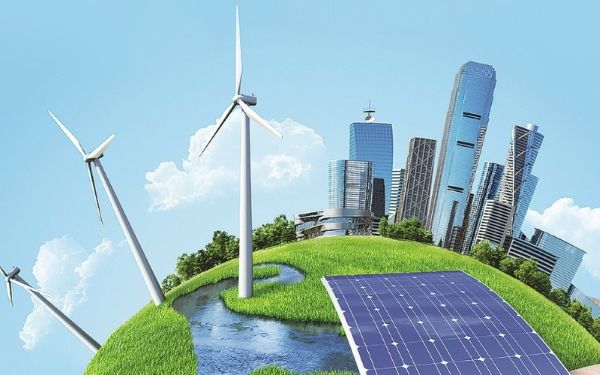
MSB promoting Sustainable Growth Through Green Finance
Understanding green credit helps businesses and investors recognize its role and development trends in Vietnam. With the support of banks, government policies and ESG standards, green credit is becoming a key financial tool for driving sustainable economic growth, encouraging environmentally responsible investments and accelerating the transition toward a green economy.
Businesses interested in green financing solutions can contact MSB’s hotline at 1800 6260 for further consultation and support.


